Deciding on a new roof or a replacement can feel overwhelming if it’s your first time. This guide breaks down the essentials — common materials, longevity, maintenance needs and questions to ask tradespeople — so you can make a confident, cost‑effective choice for your UK home.
1. Common roofing materials and where they work best
Understanding material options helps match performance to your property and budget.
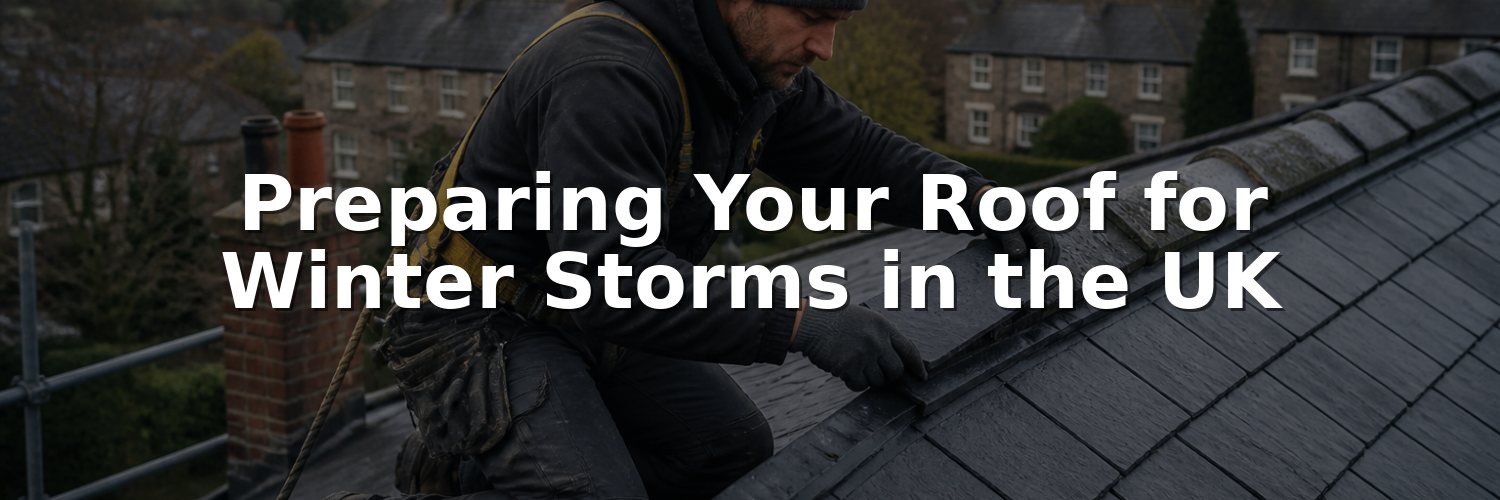
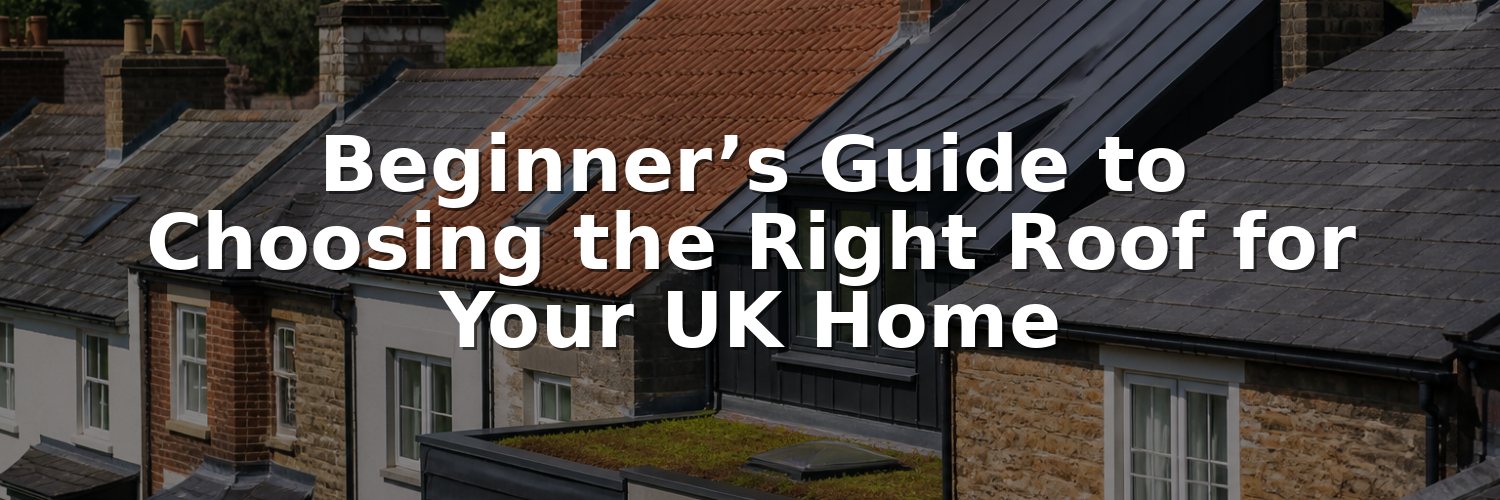
- Slate roofing — Attractive, long lifespan and excellent weather resistance; great for period homes but heavier and usually costlier to install.
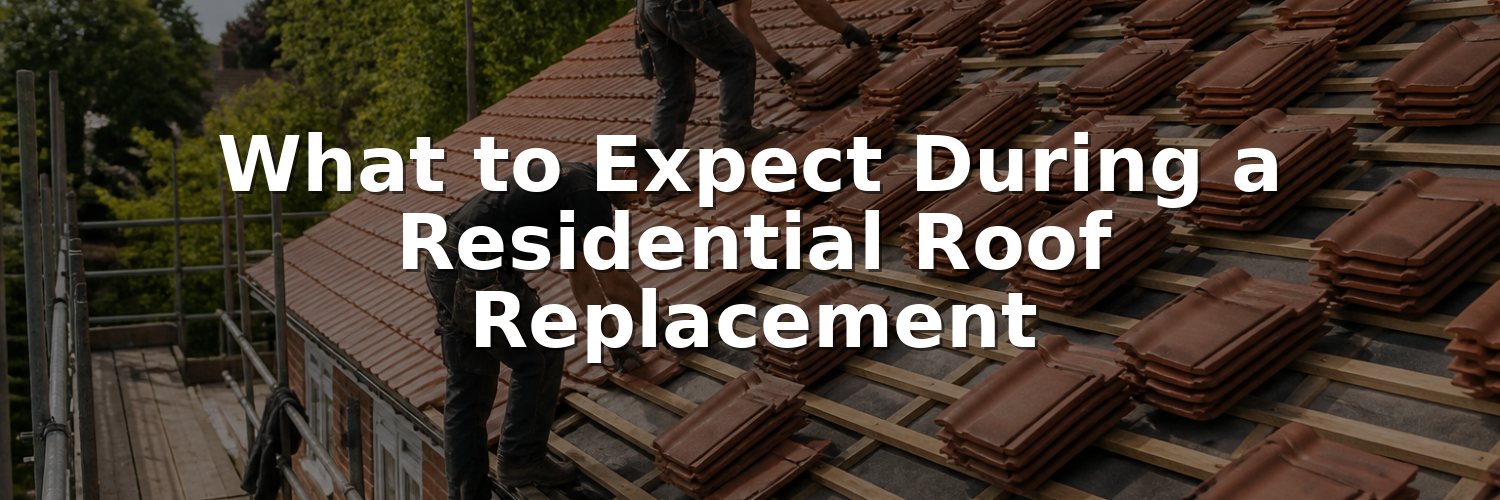
- Tile roofing (clay or concrete) — Durable and widely used in the UK; clay offers a traditional finish while concrete is often cheaper and lighter.
- Asphalt shingle roofing — Common in renovations and some new builds; quick to install and cost‑effective, though less traditional in some UK regions.
- Metal roofing — Lightweight, highly weather resistant and long‑lasting; good for modern homes or commercial buildings needing low maintenance.
- Flat roofing (EPDM, GRP, bitumen) — Practical for extensions and garages; modern membranes such as EPDM or GRP offer good waterproofing when installed correctly.
- Green roofing — Vegetated systems that provide insulation and biodiversity benefits; suitable where structure can support the weight and you want eco-friendly credentials.
2. Key performance features to prioritise
When comparing options, focus on the qualities that matter most for UK weather and long‑term value.
- Weather resistance — Wind, rain and frost resistance are crucial; slate, tiles and well‑installed metal roofs perform strongly here.
- Thermal insulation & energy efficiency — Good insulation reduces heating costs. Consider roof insulation upgrades alongside re‑roofing to improve efficiency.
- Waterproofing & leak prevention — Modern membranes, correct detailing around chimneys and good flashing are vital to avoid leaks.
- Longevity & maintenance — Some materials need little attention (metal, slate); others require periodic checks for cracked tiles, moss build‑up or membrane wear.
- Fire and wind resistance — Check material ratings, especially in exposed locations.
3. Matching material to property type and planning constraints
Your house style, roof pitch and any planning constraints will narrow down suitable materials.
- Conservation areas and listed buildings: You may need materials that match the original appearance — natural slate or clay tiles are often required.
- Low‑pitch roofs: Some tiles and slates need a steeper pitch; flat roofs use EPDM, GRP or bitumen systems designed for shallow slopes.
- Extensions and modern builds: Lightweight options like metal or concrete tiles can be preferable where structural load is limited.
4. Lifespan, maintenance and what to budget for
Lifespan and ongoing costs vary significantly by material. Consider both upfront cost and lifecycle expenses.
- Slate — Longest‑lasting with low maintenance, but higher installation costs.
- Tiles — Durable with moderate maintenance (replace slipped or broken tiles; clear gutters and remove moss).
- Metal — Low maintenance and long life; expect occasional checks for fixings and sealant condition.
- Flat roof membranes — Lifespan depends on material and quality of installation; regular inspections and timely patching prolong life.
Budget also for scaffolding, insulation upgrades, ventilation improvements and any unexpected repairs uncovered once work begins. Roofing, Roofers and Roofs offers free quotations and can advise on the realistic scope of work for your project.
5. Choosing a trustworthy roofing contractor
Finding the right tradesperson reduces risk and ensures the work meets building regulations.
- Get multiple written quotes that break down materials, labour, scaffolding and waste removal.
- Ask for examples of recent work and references from similar properties. Local expertise matters — regional weather and building styles influence best practice.
- Confirm the contractor handles permits, complies with safety standards and explains warranty and insurance cover for their workmanship.
- Discuss timelines, access requirements and how they will protect gardens, driveways and interiors during work.
Roofing, Roofers and Roofs can carry out detailed roof surveys and drone roof inspections to give a clear picture before you commit to a replacement or repair plan.
6. Important questions to ask before signing up
Use this checklist when you speak to contractors so you compare like‑for‑like proposals.
- Which materials do you recommend for my roof type and why?
- Can you provide a written, itemised quote and outline the warranty for materials and labour?
- How will you manage ventilation, insulation and condensation risk as part of the job?
- What happens if you discover hidden damage or rot once the roof is stripped?
- Who is responsible for scaffolding, waste disposal and site protection?
- Can you give an estimated timeline and start date, including any contingencies for bad weather?
7. Quick next steps for first‑time customers
If you think your roof needs attention, start with a professional survey. A survey will clarify whether repair, partial re‑roofing or a full replacement is appropriate and help prioritise work.
- Arrange a roof inspection to get an accurate assessment and written quote — consider a drone roof inspection if access is difficult.
- Compare detailed quotes, focusing on materials, insulation, ventilation and the expected lifespan of the solution offered.
- Check local examples of completed work — for instance, look for similar projects in nearby areas such as Bristol or Durham to gauge standards and styles (flat roofs Bristol, flat roofs Durham).
For first‑time customers, planning and the right advice make all the difference. Roofing, Roofers and Roofs can guide you through material choices, inspections and maintenance plans to protect your property and maximise long‑term value.
For regional information and examples of roofing work, see local resources such as Bristol roofers or reputable regional sites that highlight typical solutions for UK properties.