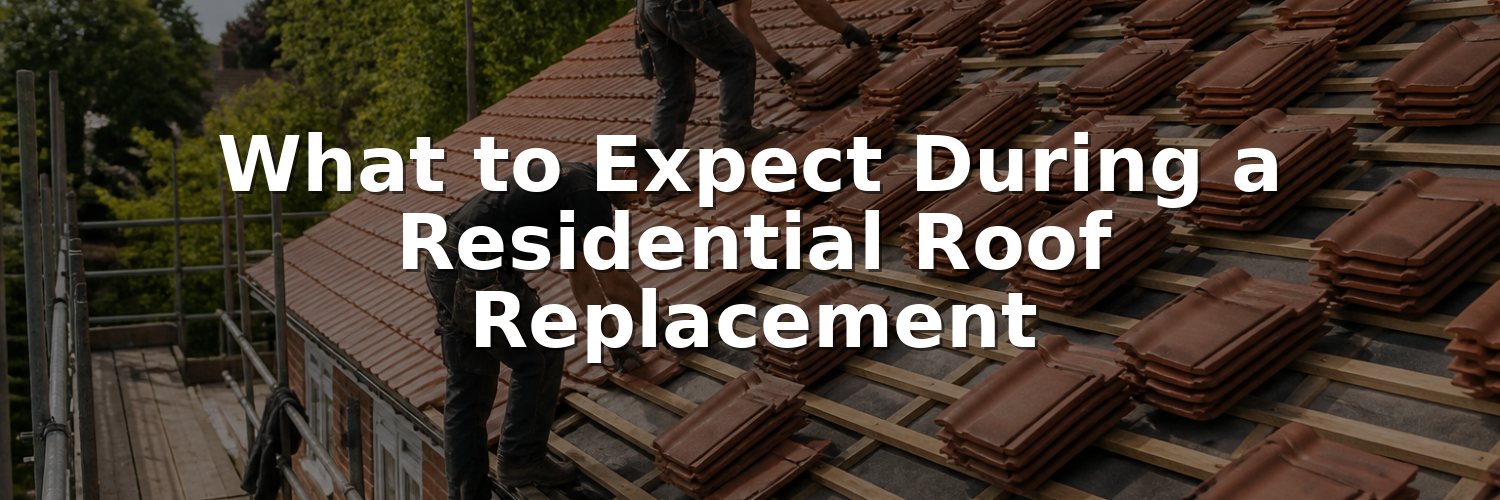
Replacing a roof is a major project for any UK property owner. Knowing the typical steps, who does what and how long each part takes reduces stress and helps you make informed choices. This guide explains the process you can expect when working with a professional team like Roofing, Roofers and Roofs.
1. Initial enquiry and free quotation
Most roof replacement projects begin with an enquiry and a free quotation. A reputable company will:
- Ask about the property (age, roof type, known issues).
- Request photos or arrange a site visit.
- Explain available materials and systems — slate, tile, metal, asphalt shingle, or sustainable options such as green roofs or solar integration.
- Provide a written estimate and outline of the proposed programme.
At this stage Roofing, Roofers and Roofs can advise on durable materials, energy-efficient upgrades and any grant or planning considerations.
2. Detailed roof survey and specification
A full survey is crucial before work begins. The survey will:
- Inspect the roof structure, timbers, insulation and ventilation.
- Identify hidden issues such as rot, sagging, or insulation gaps.
- Confirm measurements and material quantities.
- Recommend any structural reinforcement, leadwork or chimney flashing repairs.
For tricky or large sites, drone roof inspections can be used to get accurate images without needless disruption. If you’re near Bristol or replacing a flat roof, you may find useful local information at https://www.flatroofbristol.uk or our flat roofs guidance for Bristol at https://www.rooferquotes.co.uk/site/flat-roofs-bristol/.
3. Planning, permissions and insurance checks
Once the specification is agreed the contractor will finalise dates and check for any permissions needed:
- Planning permission is rarely required for like-for-like roof replacements but check if you live in a conservation area or have listed status.
- Party wall notices may be needed if scaffolding affects neighbours.
- Confirm the contractor’s public liability and employer’s liability insurance, and ask about insurance-backed guarantees where offered.
4. Pre-work preparation
Preparation minimises disruption and speeds the installation phase. Expect the contractor to:
- Set up scaffolding and safety barriers to comply with regulations.
- Protect driveways, garden areas and internal spaces (drop sheets, dust control).
- Remove old roofing materials in a controlled way and dispose of waste via an agreed skip or haulage plan.
- Coordinate any subcontractors such as chimney specialists or electricians for skylight and solar panel integration.
5. Structural work and decking
With the old covering removed, the team will examine and repair structural elements:
- Replace or repair rotten rafters, joists or trusses where necessary.
- Install or replace roof decking, underlay and breathable membranes for pitched roofs or vapour control layers on flats.
- Upgrade insulation and ventilation systems to improve thermal efficiency and reduce condensation — a common reason for re-roofs.
Work at this stage is critical for long-term performance: proper ventilation and insulation reduce energy bills and extend the roof’s life.
6. Installation of the new covering
The installation itself is the most visible phase. Depending on the material, expect:
- Tile or slate laying using approved battens and fixings for pitched roofs.
- Mechanical fixing or adhesive systems for metal, EPDM rubber or GRP roofs on flats.
- Leadwork, flashing and ridge details fitted to ensure waterproofing around chimneys, valleys and edges.
- Quality checks throughout to make sure wind and fire resistance standards are met.
Roofers will also make allowances for gutters, fascias and soffits to be reinstalled or replaced. If you need local help with gutter or roof leak issues in Northampton or York, useful pages include https://www.rooferquotes.co.uk/site/northampton-roof-leaks/ and https://www.rooferquotes.co.uk/site/york-roof-leaks/.
7. Final inspections, cleaning and handover
After installation the team will:
- Carry out a thorough inspection and water test where appropriate to confirm leak prevention.
- Clean the site, remove scaffolding and dispose of waste responsibly.
- Provide documentation: material warranties, maintenance advice and any certificates.
Roofing, Roofers and Roofs typically explain how to maintain your new roof and offer regular maintenance plans to protect your investment.
8. What to expect after completion
Following completion you should:
- Monitor gutters and downpipes for the first few heavy rains to ensure good drainage.
- Check loft space for any signs of residual damp or condensation and ensure ventilation is working.
- Arrange the first maintenance inspection — many contractors recommend an annual or bi-annual check depending on roof type and location.
Promptly report any concerns to your roofing contractor: early attention to minor issues keeps long-term costs down.
Replacing a roof is disruptive but manageable with a clear plan, professional tradespeople and open communication. Whether you’re a homeowner, landlord or facilities manager, Roofing, Roofers and Roofs can guide you through every step — from survey to handover — helping ensure a durable, energy-efficient and weather-resistant roof for years to come.
For regional references and further reading on flat roof work and local contractors, see https://www.rooferquotes.co.uk/site/flat-roofs-bristol/ and https://www.flatroofbristol.uk.