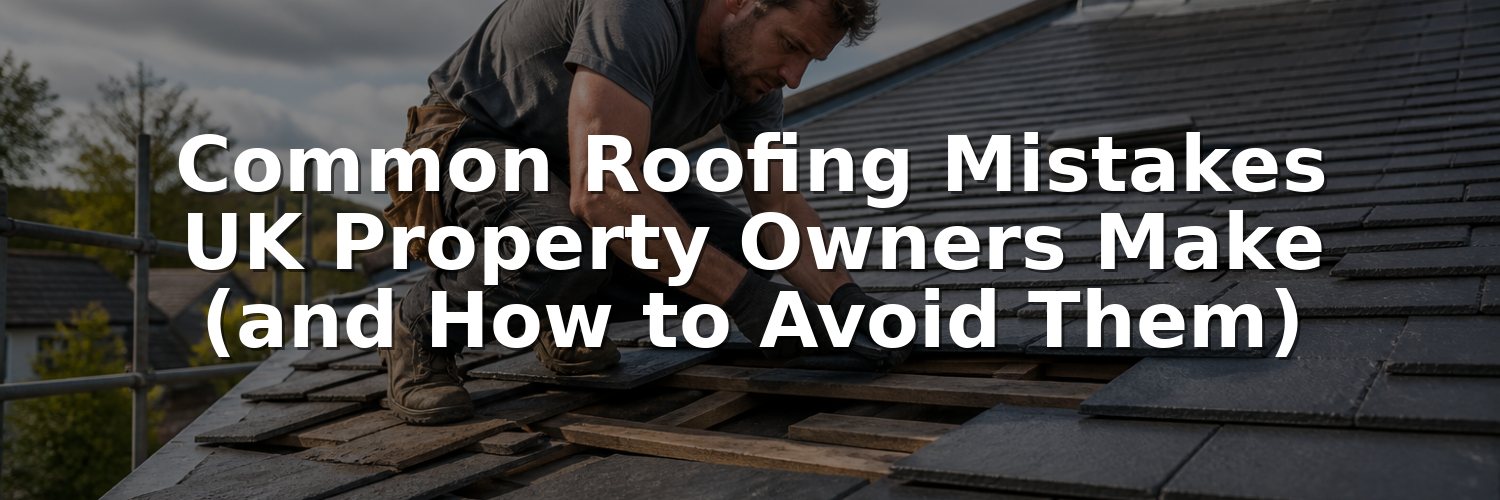
Roof problems are one of the most disruptive and costly issues a property can face. Whether you manage a rental, run a commercial building or own your home, avoiding common roofing mistakes saves money and stress. This post highlights frequent errors we see at Roofing, Roofers and Roofs and gives practical steps you can take to protect your asset.
1. Leaving small leaks unchecked
Many property owners treat a drip or damp patch as a minor nuisance. In reality, a small leak can quickly lead to structural rot, mould, insulation failure and higher repair bills.
- Act quickly: Don’t delay a professional inspection if you spot damp, stains or water ingress.
- Use targeted temporary fixes: A tarp or bucket can reduce damage between inspections, but shouldn’t replace a proper repair.
- Record symptoms: Note where and when the leak appears — this helps roofers diagnose the cause faster.
2. Trusting DIY fixes for complex problems
DIY can be sensible for simple maintenance, but roof work carries safety risks and hidden structural issues. Incorrect patches, poor flashing or wrong materials often cause repeat problems.
- Know your limits: Don’t attempt pitched roof replacement, major flashing repairs, or structural reinforcement without a skilled tradesperson.
- Choose reputable installers: Use experienced teams for specialist systems such as EPDM rubber, GRP fiberglass or leadwork roofing.
- Insurance concerns: DIY or inexperienced repairs can affect insurance claims following storm damage.
3. Ignoring ventilation and insulation
Poor ventilation and insulation are frequently overlooked, yet they cause condensation, rot and reduce energy efficiency—especially in older UK properties.
- Balance is key: Proper ventilation prevents moisture build-up; good insulation reduces heat loss and energy bills.
- Upgrade when re-roofing: If you’re replacing a roof, consider improving insulation and adding ventilation systems at the same time.
- Professional survey: Roof surveys and thermal inspections identify weak spots that regular checks might miss.
4. Using the wrong materials for the location
Not all roofing materials suit every UK region or building use. Coastal areas, for example, expose roofs to salt and stronger winds, while urban settings might demand fire-resistant or noise-reducing options.
- Select weather-appropriate materials: In windy or coastal areas choose roofing with high wind resistance and corrosion protection.
- Consider longevity and maintenance: Slate and metal often last longer but have different installation needs compared to tiles or asphalt shingles.
- Seek expert advice: Speak to local roofers who understand regional exposure and building types — for example, specialists in flat roofs in Durham or Bristol offer tailored guidance: flat roofs Durham and flat roofs Bristol.
5. Poor guttering and drainage maintenance
Blocked or damaged gutters are a common cause of roof and wall damp. Even a perfectly installed roof will suffer if rainwater isn’t directed away from the structure.
- Regular cleaning: Clear gutters and downpipes at least twice a year, more often if there are overhanging trees.
- Inspect after storms: Check for displaced guttering or damaged fascia and soffits after heavy weather.
- Upgrade where needed: Larger properties or commercial roofs may need increased drainage capacity or additional outlets.
6. Skipping professional roof surveys and drone inspections
Surface checks from the ground catch obvious issues, but many problems start where you can’t safely inspect. Professional surveys — including drone roof inspections — reveal hidden defects and inform long-term maintenance plans.
- Schedule regular surveys: Annual or biennial inspections spot wear before it becomes an emergency.
- Use technology wisely: Drone inspections provide high-resolution imagery for hard-to-reach areas and support accurate quotes and insurance claims.
- Document changes: Keep a record of reports to track deterioration and plan timely interventions.
7. Delaying repairs after storm or hail damage
After severe weather it’s tempting to wait, especially if the damage looks minor. However, exposed membranes, cracked tiles or damaged flashing rapidly worsen and can invalidate insurance if not promptly addressed.
- Emergency call-outs: Use a roofer who offers rapid response for temporary protection until permanent repairs can be done.
- Evidence for insurers: Photograph damage, keep repair receipts and rely on professional surveys to support claims.
- Local expertise helps: Regions with frequent storms benefit from roofers experienced in storm and hail repair; for local support see resources like Blackpool roofing or regional leak specialists such as Somerset roof leaks.
At Roofing, Roofers and Roofs we advise property owners to prioritise regular inspections, use the right materials for their location and engage qualified professionals for complex work. Avoiding these common mistakes will protect your building fabric, reduce long-term costs and improve the comfort and value of your property.