Choosing, maintaining and repairing a roof raises a lot of practical questions for UK homeowners, landlords and property managers. Below are frequently asked questions with clear, expert answers to help you weigh options, plan work and avoid costly mistakes. Roofing, Roofers and Roofs provides many of these services and this guide will help you know what to ask at quotation stage.
Which roofing material is best for my property?
There is no one-size-fits-all answer. The best material depends on the building type, budget, local weather exposure and desired appearance. Common options include:
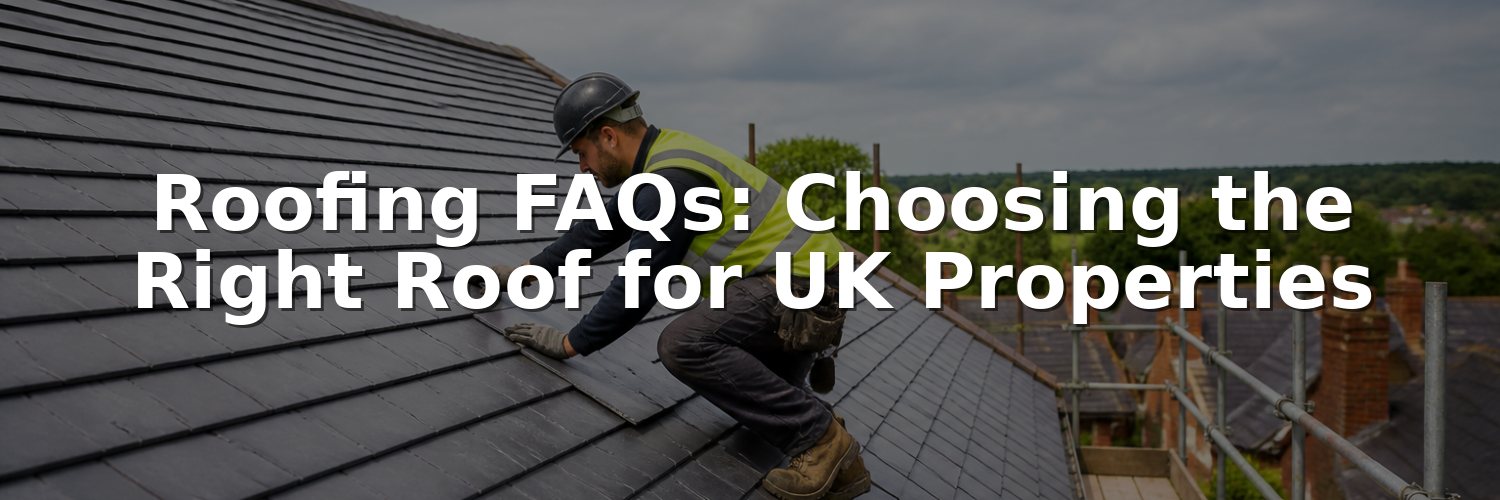
- Slate – long lifespan, traditional look, low maintenance; heavier and usually more expensive to install.
- Clay or concrete tiles – popular on pitched roofs; good weather resistance and aesthetic variety.
- Asphalt shingles – cost-effective and quick to install; suited to many domestic roofs but can be less common in some UK regions.
- Metal roofing – durable, lightweight and good for wind resistance; useful for commercial and industrial properties.
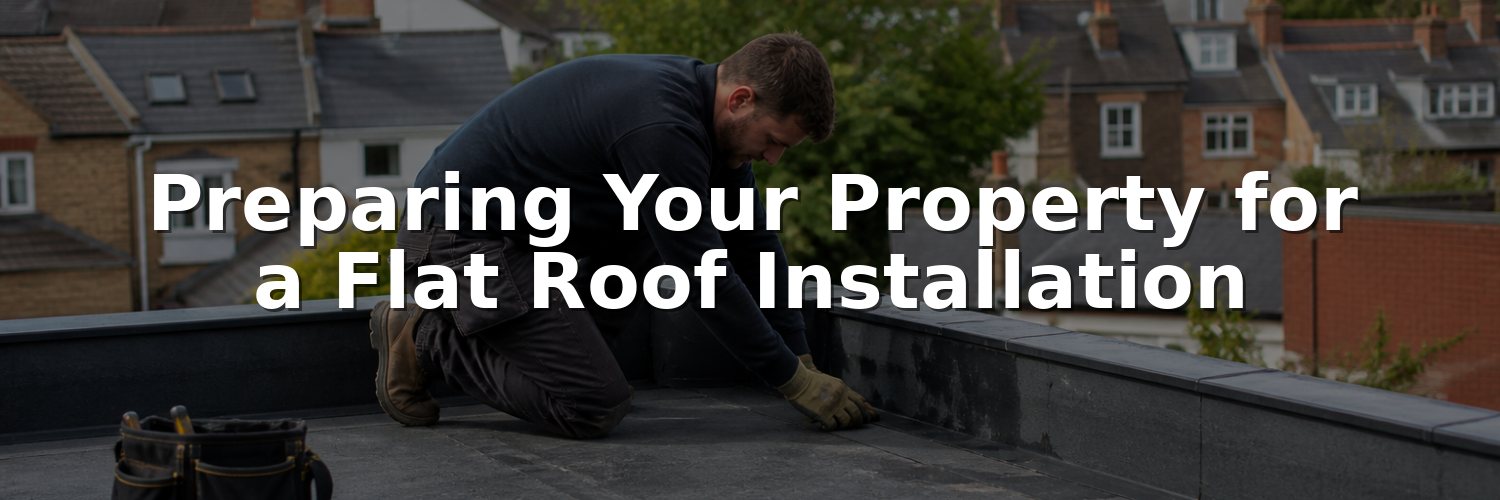
- EPDM, GRP and bitumen – common on flat roofs; choose based on lifespan, install method and access for repairs.
- Green roofs – offer insulation and biodiversity benefits but need structural assessment and regular maintenance.
Ask for material samples and case studies from your roofer. Roofing, Roofers and Roofs can advise on suitability and provide tailored recommendations for both residential and commercial projects.
How long should different roofs last in the UK climate?
Lifespan varies by material and quality of installation:
- Natural slate – often 60–100+ years if properly installed.
- Clay tiles – 50+ years with good maintenance.
- Concrete tiles – 30–60 years depending on quality.
- Asphalt shingles – typically 20–30 years.
- Metal roofs – 30–70 years depending on coating and material.
- Flat roof membranes (EPDM/GRP/bitumen) – usually 10–30 years depending on type and maintenance.
Regular inspections and prompt repairs significantly extend service life. A reputable roofer will state expected lifespan and recommend a maintenance schedule.
How often should I have my roof inspected and maintained?
For most UK properties, an inspection twice a year is sensible: once after winter and once after summer storms. Key moments to inspect include after severe weather, when you notice leaks, or if your property is more than 10–15 years old.
- Regular maintenance tasks: gutter clearing, moss removal, flashings check and replacing slipped tiles or damaged membrane.
- Planned inspections help catch small issues before they become expensive repairs.
- Roofing, Roofers and Roofs offers inspection services including drone roof inspections and formal roof surveys for larger or hard-to-access roofs.
What are the signs I need an immediate roof repair or emergency call-out?
Seek urgent attention if you spot:
- Active leaks inside the property or large water stains on ceilings or walls.
- Missing, slipped or severely broken tiles after a storm.
- Visible sagging, structural changes or significant debris on the roof.
- Blocked gutters causing overflowing water or ice dams forming on eaves in winter.
- Damaged chimney flashings or skylight seals letting water in.
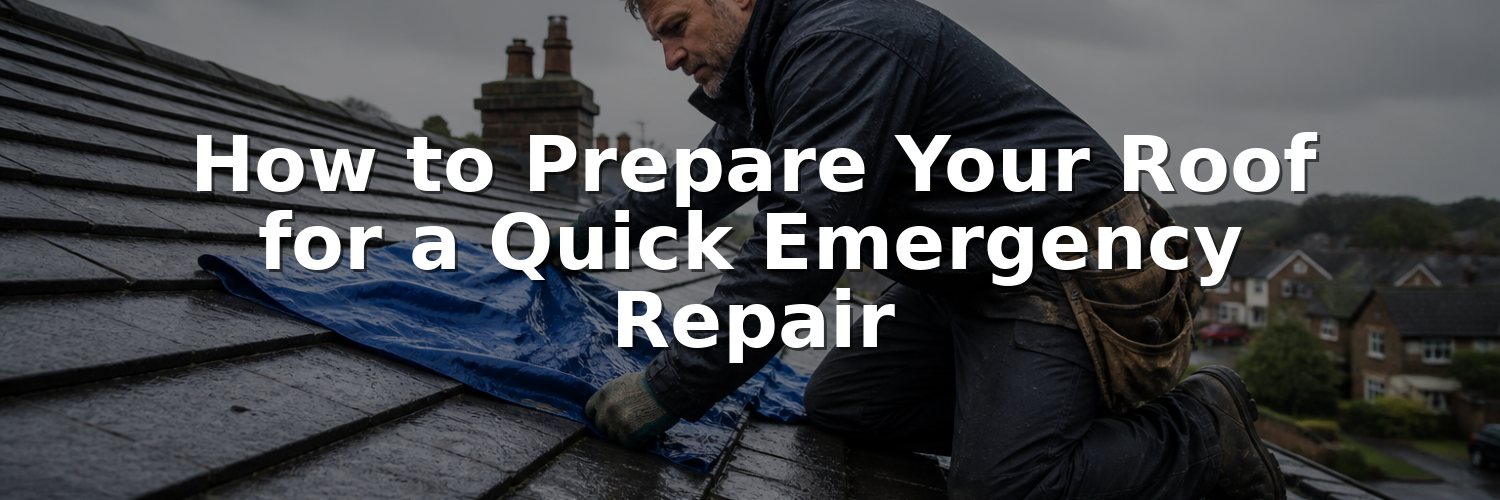
Emergency repairs can prevent secondary damage to plasterwork, insulation and structural timbers. Roofing, Roofers and Roofs provides emergency call-outs and temporary weatherproofing until permanent repairs can be scheduled.
How do I choose between repair and full replacement?
Consider these factors:
- Extent of damage – isolated leaks or a few broken tiles usually justify repair; widespread deterioration, recurrent leaks or failing membranes often signal replacement.
- Age of the roof – older roofs nearing the end of their expected lifespan may be better replaced than repeatedly patched.
- Long-term cost – frequent repairs add up; a new roof can be more cost-effective in the long run and bring energy-efficiency benefits.
- Building plans – if you’re refurbishing, improving insulation or installing solar panels, re-roofing may be timely.
A professional surveyor or roofer can provide a condition report and costed options. For local issues, you may find guidance relevant to your area on pages like Somerset roof leaks or York roof leaks.
Can roofing improve my property's energy efficiency?
Yes. Proper insulation, ventilation and reflective or coated roofing systems reduce heat loss in winter and heat gain in summer. Specific measures include:
- Upgrading loft insulation and adding insulated sarking boards during re-roofing.
- Improving ventilation to prevent condensation and maintain insulation performance.
- Using energy-efficient roof coatings or cool roofing materials on flat and low-pitch roofs.
- Integrating solar panels correctly with waterproofing and structural checks for long-term performance.
Discuss performance targets with your roofer so thermal upgrades are installed alongside roof work.
How do I select a trustworthy roofer?
Look for local expertise, transparent quotations and clear details on scope and materials. Key checks:
- Request written quotes that break down materials, labour, timescales and exclusions.
- Ask for references or examples of recent work in your area—pages such as Bristol roofers or Derby roofers can show local projects.
- Confirm health and safety practices, insurance-backed guarantees and whether they handle necessary building control or warranty paperwork.
- Check that the roofer offers inspections, maintenance plans and emergency call-outs rather than just a one-off fix.
Roofing, Roofers and Roofs works with skilled tradespeople and advanced tools to deliver durable, weather-resistant results and can guide you through options, maintenance and emergency needs.
If you have a question not covered here—such as specifics about flat roof membranes, solar integration or commercial roof surveys—speak to your roofer for a tailored assessment and written recommendations.