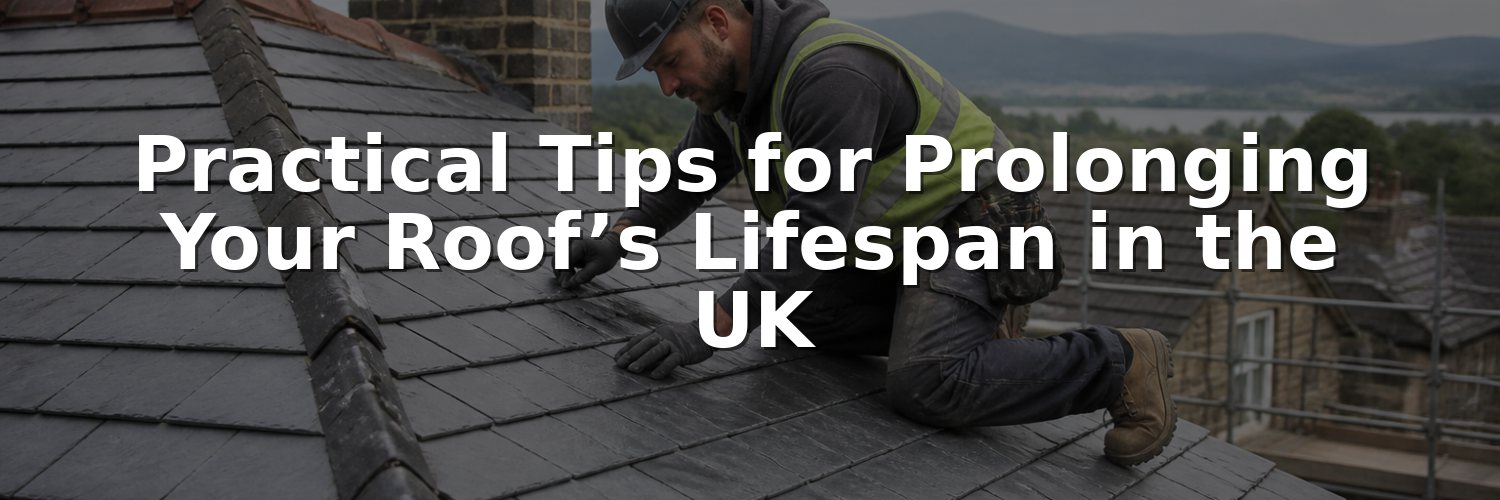
Your roof is one of the most important parts of any building, yet it’s often out of sight and out of mind until something goes wrong. Whether you manage a house, a rental property or a commercial building, simple, regular actions can add years to a roof’s service life and keep long-term costs down. Below are practical, expert-backed tips from Roofing, Roofers and Roofs to help you protect and prolong your roof in UK conditions.
1. Schedule regular roof inspections — know what to look for
Routine inspections catch small problems before they become expensive. Aim for a professional survey at least once every two years and after severe weather. Between surveys, carry out quick visual checks from ground level or use a drone survey for hard-to-reach roofs.
- Check for missing or damaged tiles/slates — loose tiles are a common point of entry for water.
- Look for sagging or uneven areas — these can indicate structural issues or failed fixings.
- Inspect flashings and chimneys — flashing failure around chimneys and roof penetrations causes many leaks.
- Examine guttering and downpipes for blockages or corrosion that can cause water back-up and roof damage.
For an expert roof survey, consider a specialist provider such as Somerset roof leaks listings or local services for more detailed inspections.
2. Prioritise early repairs — small fixes save money
When you spot a problem, act quickly. A small slipped tile, a few missing slates or a cracked gutter can allow water ingress and cause rot or structural issues if left untreated.
- Replace or secure loose tiles to prevent blow-offs in windy weather.
- Repair or renew damaged flashings around chimneys, skylights and valleys.
- Address leaks immediately — temporary emergency patching is useful, but schedule a professional repair to avoid recurring problems.
Emergency call-outs and leak support are core services at Roofing, Roofers and Roofs, helping clients reduce interior damage and longer-term repair bills.
3. Keep roofs, gutters and valleys clear
Blocked gutters and accumulated debris on roofs cause trapped water, freeze-thaw damage and accelerated decay — particularly in the UK’s wet climate.
- Clear gutters and downpipes at least twice a year (spring and autumn), or more often if you have overhanging trees.
- Remove moss and organic growth carefully; heavy moss holds moisture and lifts tiles. Use professional cleaning or moss-removal services to avoid damaging roof coverings.
- Ensure valleys and flat-roof outlets are free from leaves and grit to maintain drainage.
If your property is in a built-up area or near mature trees, consider a regular cleaning plan or a local roofing specialist such as those listed on Bristol roofers to keep drainage performing well.
4. Improve ventilation and insulation
Poor ventilation and insulation create condensation problems that degrade timber and roofing membranes from the underside. Ensure your roof space has balanced ventilation and adequate insulation to reduce thermal bridging and moisture build-up.
- Install or upgrade eaves vents, ridge vents or mechanical ventilation to promote airflow in loft spaces.
- Top up loft insulation to the recommended depth for UK properties to limit heat loss and reduce ice-damming risk on pitched roofs.
- Check loft airflow paths are not blocked by insulation, keeping cold roof spaces ventilated.
These measures improve energy efficiency and reduce the risk of damp, helping prolong roof coverings and internal timbers.
5. Choose durable materials suited to local conditions
When replacing or upgrading roofs, the right materials matter. Consider local weather patterns, building use and expected lifespan when selecting tiles, slates, metal or flat-roof membranes.
- High-quality slates and tiles provide long lifespans and good weather resistance in storm-prone areas.
- Modern single-ply membranes (EPDM/GRP) are excellent for flat roofs when installed by experienced tradespeople.
- Metal roofing suits industrial and commercial buildings, offering wind resistance and low maintenance.
Local specialist advice from providers like flat roofs Durham or regional installers will help match the right product to your property and budget.
6. Plan for seasonal risks — storms and ice
UK weather can be unpredictable. Preparing your roof for seasonal extremes reduces the chance of damage from storms, hail or heavy snowfall.
- Secure loose fittings and fixings before winter and storm seasons.
- Trim overhanging branches to prevent wind-blown debris and impact damage.
- Inspect and reinforce gutters and downpipes to handle heavy rainfall and avoid overflow onto walls and foundations.
After a severe weather event, arrange a prompt inspection to find and repair damage early — many insurers expect quick action to mitigate claims.
7. Use professional installers and keep records
Good workmanship is as important as good materials. Use skilled, local tradespeople who follow safety guidance and building regulations. Keep a file of inspection reports, repair invoices and warranties — this helps with maintenance planning, insurance claims and resale value.
- Choose installers with experience in the roof type you need (flat, pitched, metal, slate, etc.).
- Ask for written estimates and clear scopes of work so you know what’s included.
- Retain maintenance records to show a continuous care history for landlords and buyers.
Roofing, Roofers and Roofs works with clients across domestic and commercial sectors to deliver professional installation, re-roofing and maintenance that extends roof life and protects property value.
Following these tips — regular inspections, prompt repairs, clear gutters, improved ventilation, careful material selection, seasonal preparation and professional installation — will help you get the best possible lifespan from your roof while reducing long-term costs and disruption.
For region-specific advice, explore local resources such as Manchester roofing or specialist flat-roof guidance when planning replacements or upgrades.