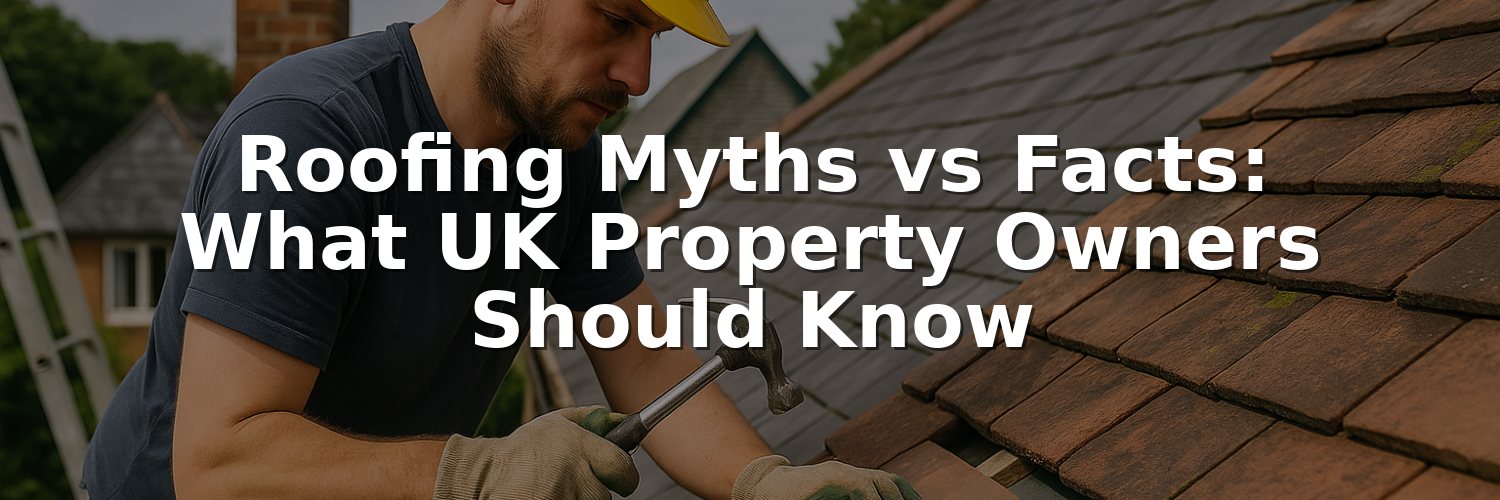
Roofing is one of those home topics surrounded by half-truths. For property owners, landlords and facilities managers in the UK it pays to know which claims are myths and which are facts so you can make better decisions, reduce risk and protect asset value. Roofing, Roofers and Roofs tackles common misconceptions and explains the practical reality behind them.
Myth 1: "All roof leaks are urgent and need a full replacement"
Fact: Not every leak requires a complete reroof. Many leaks are localised — a slipped tile, failed flashing around a chimney, blocked valley gutters or broken sealant at a skylight. A targeted repair, new flashing, or resealing can resolve the issue quickly and cost-effectively.
- What to do: Arrange a roof inspection to identify the source. Roofing, Roofers and Roofs offers drone roof inspections and traditional surveys to pinpoint leaks.
- When replacement is needed: Widespread rot, pervasive water damage to decking or an aged covering nearing end of life will usually justify replacement.
Myth 2: "Flat roofs always fail faster than pitched roofs"
Fact: Quality flat roofs last well when installed and maintained correctly. Modern flat roofing systems such as EPDM, GRP fibreglass and high-performance bitumen products can offer long lifespans and strong weather resistance.
- Key factors are correct drainage, appropriate insulation and regular maintenance.
- If you manage properties in urban areas, consider specialist flat roofing advice like the pages for flat roofs Bristol and flat roofs Durham for local examples of successful installations.
Myth 3: "If there’s no visible water indoors the roof is fine"
Fact: Early-stage roofing problems often show no obvious internal signs. Moisture can be trapped in insulation or roof structure and only reveal itself later as mould, rot or structural issues. Regular inspections catch small problems before they become costly.
- Annual checks, and after storms, are sensible for both residential and commercial buildings.
- Roof surveys and drone roof inspections are useful for spotting slipped tiles, degraded leadwork and blocked outlets that might not yet be leaking indoors.
Myth 4: "New roofs always increase energy bills because of extra weight or materials"
Fact: A properly specified reroof often improves thermal performance. Upgrading insulation, improving ventilation and using reflective membranes or green roofing options can reduce heat loss and lower heating costs.
- Energy efficiency is affected by insulation thickness, roof ventilation systems and how well the roof is sealed against drafts.
- Consider solar panel roof integration or high-performance coatings as part of an upgrade to combine generation and improved insulation.
Myth 5: "You can rely on quick DIY fixes for serious roofing problems"
Fact: Temporary DIY patches can be useful to limit damage until professionals arrive, but serious issues need trained tradespeople. Incorrect repairs can trap moisture, void warranties or create safety risks. Professional installation ensures weather resistance, fire and wind compliance and structural integrity.
- For emergency call-outs, Roofing, Roofers and Roofs provides rapid response teams to secure the roof and arrange permanent repairs.
- Always use accredited installers for specialised systems such as leadwork, GRP, EPDM or solar roof integration.
Myth 6: "Roof cleaning is cosmetic — it won’t affect performance"
Fact: Moss, algae and debris reduce drainage, lift tiles and wear adhesives. Regular cleaning and moss removal improve lifespan, reduce leak risk and maintain thermal performance. However, cleaning must be done carefully—high-pressure washing can damage tiles and membranes.
- Use approved methods and experienced teams to remove growths without harming the covering.
- Consider roof coating or waterproofing services to protect cleaned surfaces.
Myth 7: "Insurance always covers roof replacement after storm damage"
Fact: Insurance cover varies. Many policies will cover sudden storm or hail damage, but not wear-and-tear or lack of maintenance. Insurers may decline claims if the roof was known to be in poor condition.
- Keep maintenance records and inspection reports to support any claim.
- Roofing, Roofers and Roofs can produce survey reports useful for claims and liaise with loss adjusters when required.
Putting facts into practice
Understanding the realities behind common roofing myths helps you choose the right solution: targeted repairs versus full replacement, modern materials for flat roofs, professional cleaning and proper insulation upgrades. For local projects or emergency work check out regional examples and specialist teams — from bristol roofers to other local specialists — and always schedule a professional inspection when in doubt.
Roofing, Roofers and Roofs works with homeowners, landlords and commercial clients to deliver durable, cost-effective roofing solutions — backed by expert surveys, practical advice and skilled installation. Use informed facts rather than myths to protect property value and avoid unnecessary expense.