Condensation in roofs is one of those small problems that can quietly turn into expensive structural and tenant issues if left unchecked. Whether you manage a single-family home, a block of flats, or a commercial building, understanding how condensation forms and what to do about it will save you time, money and disruption. Roofing, Roofers and Roofs share clear, practical advice based on common UK building types and climates.
Why roof condensation matters
Condensation occurs when warm, moist air meets a cold surface. In roofs this can cause damp, mould, rot in timbers, degraded insulation performance and secondary leaks. Beyond aesthetic damage, it reduces thermal efficiency and can compromise loft spaces or cold roofs used for storage, affecting building health and tenant comfort.
Inspect regularly — what to look for
Early detection makes repairs easier and cheaper. Include the roof as part of routine surveys and emergency checks after storms.
- Internally: look in lofts for black mould spots, wet insulation, dark staining on rafters and damp odours.
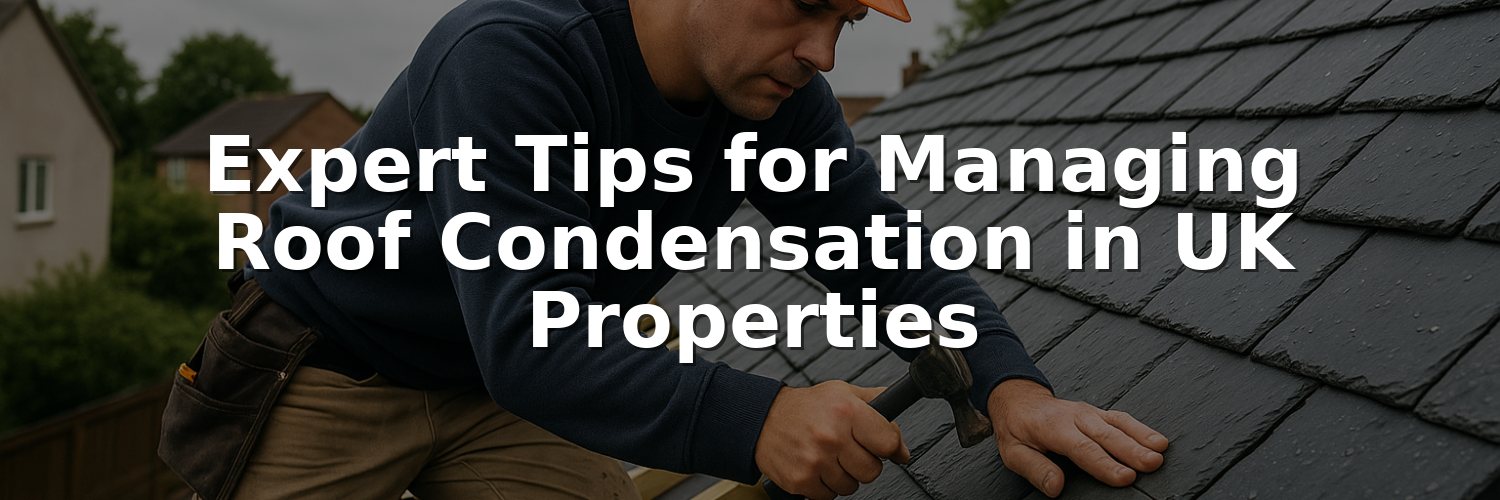
- Externally: inspect under tiles or slates for displaced roofing felt, blocked ventilation slots and flashing defects around chimneys or skylights.
- Use periodic professional inspections for hard-to-reach areas — drone roof inspections can spot issues without the risk of needless ladders.
Manage moisture sources
Stopping excess moisture at source is the most effective long-term solution. Typical culprits in UK properties include drying clothes indoors, inadequate kitchen or bathroom extraction, and poorly sealed pipework.
- Fit or upgrade extractor fans in kitchens and bathrooms; ensure they duct to outside, not into loft spaces.
- Encourage tenants to use vented tumble dryers or outdoor drying where possible.
- Repair plumbing leaks and ensure cold-water tanks and header cisterns are well sealed.
Ventilation: the roof’s best defence
Proper ventilation evens out temperature differences and carries moist air away. There are different approaches depending on roof type.
- Pitched roofs: ensure eaves ventilation is unobstructed and that ridge or mechanical vents are installed where required. A continuous airflow from eaves to ridge reduces condensation risk.
- Flat roofs: these are more prone to issues; consider controlled mechanical ventilation or specialist breathable membranes for insulated warm roofs.
- Loft spaces: install suitable vents in gables or rooflines and check that insulation does not block air pathways.
Insulation and airtightness: balance is key
Insulating a roof improves energy efficiency but must be done alongside ventilation and vapour control. Incorrect installation traps moisture and increases condensation risk.
- Use a suitable vapour control layer (VCL) on the warm side of insulation to stop internal moisture reaching cold surfaces.
- Ensure insulation is continuous without gaps around penetrations, chimneys or loft hatches.
- For retrofit jobs, consider breathable roofing membranes on cold or ventilated roofs to allow moisture to escape externally.
Repair and upgrade problem areas
When condensation has already caused damage, repairs should address both symptoms and cause.
- Replace rotten timbers and wet insulation — drying alone rarely restores performance.
- Repair or renew impermeable felt where it traps moisture; consider modern membranes and finishes for better performance.
- Check and replace chimney flashing, skylight seals and guttering to prevent water ingress that can exacerbate condensation problems.
Seasonal checks and maintenance plan
UK weather cycles can influence condensation patterns. Regular maintenance reduces surprises.
- Carry out checks at seasonal changes, especially autumn when homes retain more internal moisture as heating starts.
- Include gutter cleaning, moss removal and roof coating inspections — blocked gutters and retained moisture increase local humidity near the roof fabric.
- Consider a roof maintenance plan with scheduled surveys and emergency call-outs to spot and fix issues early.
When to call in experts
Some condensation problems are straightforward; others need professional assessment. Contact Roofing, Roofers and Roofs if you spot persistent mould, repeated wet insulation, structural timber decay or ongoing tenant complaints. Our teams offer roof surveys, leak detection, roof ventilation system installations and repairs across a range of materials — from slate and tile to flat roofs and EPDM systems. For specialised flat roof work see local resources such as flatroofbristol.uk or our regional pages for specific support, for example the flat roofs in Bristol guide.
Addressing condensation promptly protects building fabric, improves insulation performance and reduces long-term repair costs. With simple changes to ventilation, insulation and moisture management you can preserve roof lifespan and maintain a healthier, drier property.