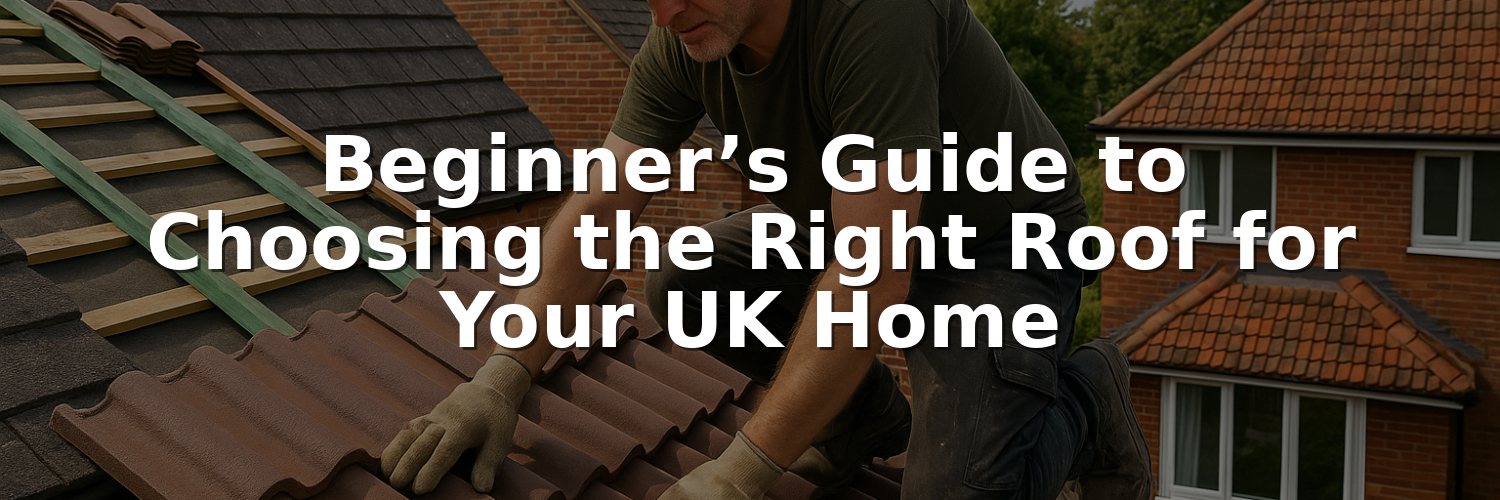
Choosing a roof for the first time—whether installation, replacement or a major repair—can feel overwhelming. This beginner’s guide explains the main roofing options for UK properties, the practical pros and cons, and the questions you should ask tradespeople. It’s written for homeowners, landlords and property managers who want a straightforward, confident approach to their next roofing decision.
Understand the common roofing types
Different roofs suit different properties, budgets and long-term goals. Here are the most common options you will meet:
- Tile roofing – Clay or concrete tiles are popular for pitched roofs. Durable and attractive, they offer good weather resistance and high kerb appeal.
- Slate roofing – Natural slate looks premium and lasts a long time. It’s heavier and can require stronger roof structure.
- Asphalt shingle roofing – Common on some UK renovations, shingles are cost-effective and quick to fit but can be less durable in high winds.
- Metal roofing – Lightweight and long-lasting, metal roofs offer excellent wind and fire resistance and can be very energy efficient with reflective coatings.
- Flat roofing (EPDM/GRP/bitumen) – For extensions and commercial buildings. Modern EPDM rubber and GRP fiberglass are low-maintenance options; bitumen remains a common choice for proven waterproofing.
- Green roofing – Vegetated roofs improve insulation and biodiversity; suitable for suitable structures and those wanting sustainability benefits.
Match roof choice to your priorities
Think about what matters most: longevity, cost, appearance, insulation or low maintenance. Typical trade-offs include:
- Longevity vs cost – Slate and high-quality metal perform for decades but carry higher upfront costs. Tiles and quality flat roof membranes are mid-range options.
- Energy efficiency – Good insulation and ventilation systems reduce bills. Some roof materials reflect heat better; green roofs add thermal mass and insulation.
- Maintenance – Pitched tiled or slate roofs generally need less frequent attention than older flat roofs, though regular checks are always recommended.
- Appearance and neighbour considerations – Local conservation areas or estate covenants can limit choices. Pick a finish that complements the property and surrounding area.
What to check about structure and regulations
Before committing, confirm the practical and legal side:
- Roof structure – A heavier finish like slate may need structural reinforcement. Your roofer should inspect joists and rafters and recommend strengthening if needed.
- Planning and building regulations – Most reroofs don’t need planning permission, but alterations (skylights, changes in height or materials in conservation areas) might. Ensure compliance with building regs for insulation, ventilation and waterproofing.
- Insurance and warranties – Check that installers are insured and that you receive guarantees for workmanship and materials.
Questions to ask potential roofers
Use these questions when getting quotes—answers will reveal experience, approach and whether they’re a good fit for your project:
- Can you provide a written, itemised quote and estimated timescale?
- Do you carry public liability and employer’s liability insurance?
- What materials do you recommend for my property and why?
- Will the work require scaffolding and how will you protect my property?
- Do you offer guarantees for workmanship and materials?
- Can you provide references or examples of similar jobs you’ve completed?
- How do you handle unexpected issues found during the job (rot, structural repairs)?
Survey, inspection and maintenance basics
Before and after a roof project, inspections and maintenance ensure longevity and protect your investment:
- Pre-work survey – A thorough survey identifies weak timbers, damp, or ventilation problems. Drone roof inspections are useful for detailed photos without damage.
- Regular maintenance – Clear gutters, remove moss, and inspect flashings and sealants annually. Regular maintenance plans reduce emergency repairs.
- Emergency repairs – Know who can respond quickly for leak detection and temporary weatherproofing to limit interior damage.
Cost considerations without specific prices
Rather than listing figures, keep these cost factors in mind when comparing quotes:
- Material choice and quality (premium materials cost more but often last longer).
- Roof complexity—pitch, number of valleys and roof features (skylights, chimneys) add labour time.
- Access and scaffolding requirements.
- Any structural work such as reinforcement or replacement of rotten timbers.
- Removal and disposal of the old roof covering.
Why choose a professional and local roofer
Hiring an experienced local company like Roofing, Roofers and Roofs offers benefits: knowledge of local weather impacts, quicker emergency call-outs, and familiarity with regional building standards. Professional installers use advanced tools and follow safety compliance, delivering waterproofing, ventilation and insulation that work together to protect your home.
If you have a flat-roofed extension, for example, check specialist experience — see advice for flat roofs in Bristol and Durham from trusted local sources such as flat roofs Bristol and flat roofs Durham. For leak-specific guidance in other areas, regional pages like Somerset roof leaks can be useful reads when you’re comparing local expertise.
Roof projects are an important long-term investment. By understanding material options, matching choices to your priorities, asking the right questions and choosing experienced local tradespeople such as Roofing, Roofers and Roofs, you’ll get a roof that protects your property, improves energy efficiency and reduces future maintenance headaches.